










Die Vereinigten Arabischen Emirate (VAE) sind eine Wirtschaftsmacht im Nahen Osten und ein führendes Ziel für Unternehmen, die einen strategischen Knotenpunkt einrichten und Top-Talente einstellen möchten. Das geschätzte BIP beträgt 514B. USD. Das Land ist ein globaler Akteur in Finanzen und Logistik. Die Wirtschaft konzentriert sich auf Öl und Gas, Immobilien und Bauwesen sowie einen wachsenden Fokus auf fortschrittliche Technologie.
Bevor Sie in die VAE expandieren, müssen Sie Verträge, Steuern, Löhne, Sozialleistungen und andere Arbeitsgesetze verstehen. Unser Leitfaden informiert Sie über alles, was Sie über die Einstellung in den VAE wissen müssen.

Was sollten Sie vor der Einstellung in den VAE beachten?
Wenn Sie zum ersten Mal Mitarbeiter in den VAE einstellen möchten, müssen Sie die gesetzlichen Anforderungen beachten. Diese Normen und Gesetze beeinflussen die Einstellungspraktiken in den VAE und viele Aspekte der Arbeitgeber-Arbeitnehmer-Beziehung, einschließlich Vergütung und Sozialleistungen.
G-P Gia™ , unser KI-gestützter globaler HR-Agent, kann Ihre schwierigsten Compliance-Fragen in 50 Ländern – einschließlich der VAE – und allen 50 US-Bundesstaaten beantworten. Reduzieren Sie Ihre Abhängigkeit von externen Rechtsberatern und reduzieren Sie die Zeit und Kosten für die Einhaltung von Vorschriften mit Gia um bis zu 95 %.
Hier sind fünf Dinge, die Sie über die Einstellung in den VAE wissen sollten.
1. Verträge und Kündigungsanforderungen in den VAE
Arbeitgeber müssen einen schriftlichen Arbeitsvertrag auf Arabisch mit Englisch als Referenz entwerfen. Der Vertrag deckt die Position, Pflichten, Probezeit, Vergütung, Leistungen und Kündigungsanforderungen des Mitarbeiters ab. Mitarbeiter, die ein Jahr ununterbrochene Dienstzeit abgeschlossen haben, erhalten Trinkgelder zum Ende der Dienstzeit. Das sind 21 Tage Grundgehalt pro Jahr für die ersten fünf Jahre und 30 Tage für jedes Jahr danach.
2. Gehaltsabrechnung und Steuern in den VAE
Die VAE haben keine Lohn- oder Arbeitgebersteuern. Unternehmen legen etwa 8.3 % des Grundgehalts eines Mitarbeiters für Trinkgelder am Ende der Dienstzeit zurück. Dies ist eine Voraussetzung für Mitarbeiter mit mehr als fünf Dienstjahren.
Die meisten Unternehmen in den VAE sind von der Körperschaftsteuer befreit, mit Ausnahme von Ölgesellschaften und internationalen Banken. Unternehmen in Freizonen genießen Firmensteuerferien, die verlängert werden können. Für die meisten Waren und Dienstleistungen gilt eine Mehrwertsteuer von 5 %.
3. Löhne und Arbeitszeiten in den VAE
Das Wochenende ist Freitag und Samstag. Die meisten Mitarbeiter arbeiten von Sonntag bis Donnerstag. Nur ein wöchentlicher Ruhetag (meist Freitag) ist gesetzlich vorgeschrieben. Die maximale Arbeitszeit beträgt acht Stunden pro Tag und 48 Stunden pro Woche. Während des Ramadan gibt es für alle Mitarbeiter, unabhängig von ihrer Religion, eine obligatorische Reduzierung von zwei Stunden pro Tag.
Überstunden sind auf zwei Stunden pro Tag begrenzt. Es wird zu 125 % des regulären Lohns bezahlt und erhöht sich auf 150 % für die Arbeit zwischen 10 p.m. und 4 a.m. oder an einem Ruhetag. In den VAE gibt es keinen Mindestlohn.
4. Urlaub in den VAE
Mitarbeiter erhalten 30 Kalendertage bezahlten Jahresurlaub nach einem Dienstjahr. Diejenigen mit einer Betriebszugehörigkeit von 6–12 Monaten fallen an zwei Tagen pro Monat an.
Der Krankheitsurlaub beträgt bis zu 90 Tage pro Jahr. Die ersten 15 Tage sind voll bezahlt, die nächsten 30 sind halb bezahlt und der Rest ist unbezahlt.
Der Mutterschaftsurlaub beträgt 60 Tage: 45 Tage bei voller Bezahlung und 15 Tage bei halber Bezahlung. Bei einer schwangerschaftsbedingten Erkrankung ist ein zusätzlicher unbezahlter Urlaub möglich. Der Vaterschaftsurlaub beträgt fünf Arbeitstage innerhalb von sechs Monaten nach der Geburt des Kindes.
Hadsch ist ein einmaliger, unbezahlter Urlaub von bis zu 30 Tagen. Mitarbeiter erhalten bezahlten Urlaub für Feiertage, die jährlich angekündigt werden.
5. Antidiskriminierungsgesetz in den VAE
Arbeitgebern ist es untersagt, Bewerber oder Mitarbeiter aufgrund von Rasse, Nationalität, Geschlecht, Religion, Familienstand oder geistiger oder körperlicher Behinderung zu diskriminieren . Gleichzeitig verlangt das Arbeitsrecht der VAE, dass Arbeitgeber Staatsangehörige der VAE und danach auch andere arabische Staatsangehörige einstellen. Dies steht im Einklang mit den Richtlinien von Emiratisierung und staatlichen Richtlinien.
Top-Einstellungszentren in den VAE
Einige Städte in den VAE sind für bestimmte Branchen bekannt. Wenn du weißt, was jede Region zu bieten hat, kannst du deine Einstellungsbemühungen am richtigen Ort konzentrieren und Rollen schneller besetzen.
Die Top-Talentzentren in den VAE sind:
-
Dubai ist die größte Stadt und das größte Geschäftszentrum des Landes. Das BIP der Stadt beträgt 134,6 Mrd. USD (2023). Hubs wie Dubai Internet City, Dubai Media City und Dubai Knowledge Park ziehen Talente in den Bereichen Softwareentwicklung, digitales Marketing, KI und kreative Dienstleistungen an.
-
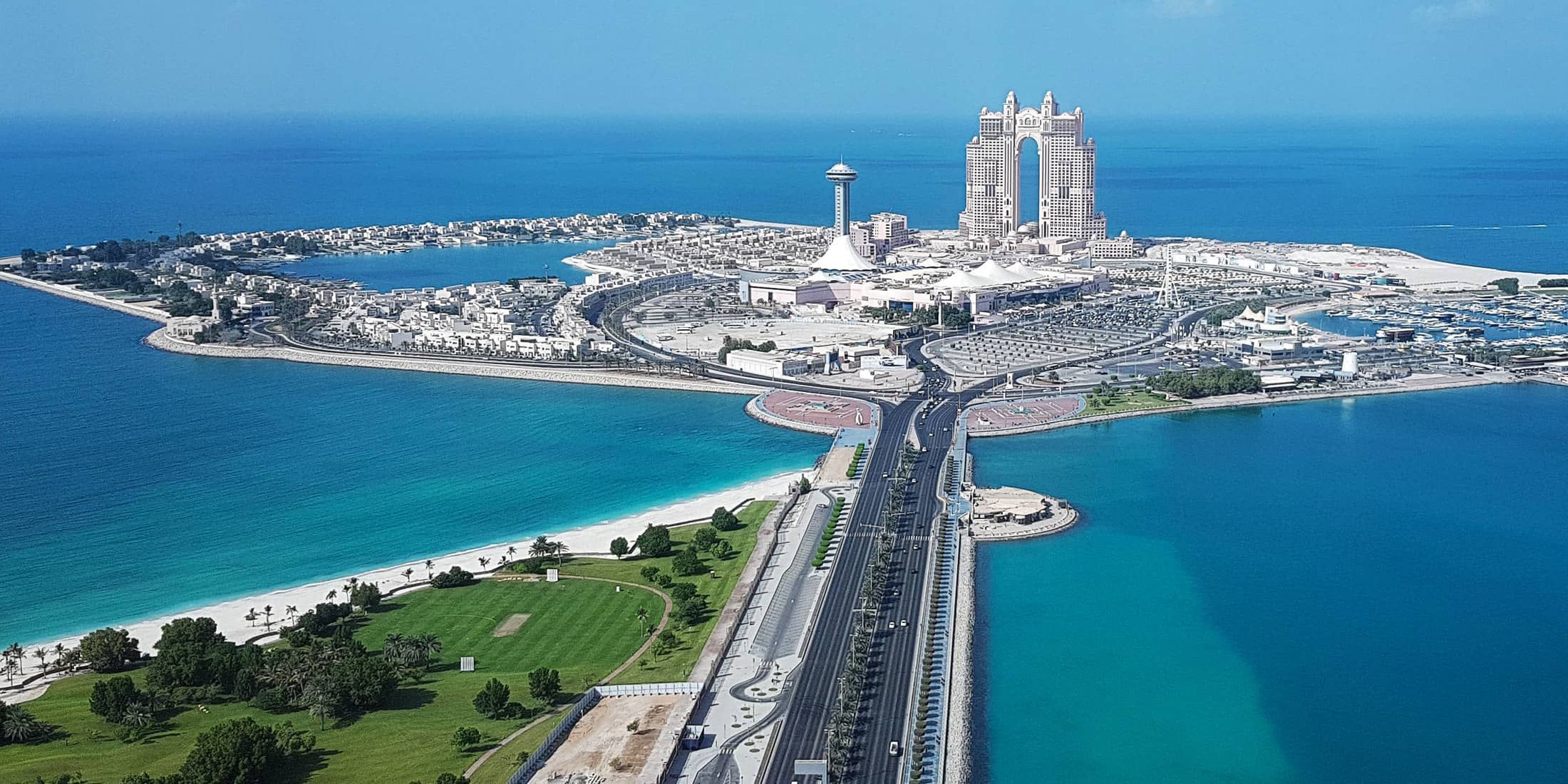
Abu Dhabi ist die Hauptstadt der VAE. Das Emirat ist das Zentrum für Regierungs- und Energiepolitik. Sie beherbergt den Hauptsitz der nationalen Ölgesellschaft Abu Dhabi (ADNOC). Der Abu Dhabi Global Market (ADGM), eine weitere finanzfreie Zone, zieht Fintech- und digitale Finanzexperten an.
-
Schardscha ist ein Industrie- und Kulturzentrum mit einer starken Produktionsstätte und der Nähe zu Dubai. Das Industriegebiet Schardscha besteht aus 19 Teilbereichen und zwei großen Freizonen. Es ist eine der größten Industriezonen der VAE.
-
Ajman, Ras Al Khaimah und Fujairah sind kleinere Emiraten, die sich als Einstellungsorte entwickeln, insbesondere für die Fertigung, Logistik und spezialisierte Branchen. Fudschaira ist beispielsweise das einzige Emirat am Golf von Oman und bietet direkten Zugang zu globalen Schifffahrtsstraßen außerhalb der Straße von Hormuz.
Wichtige Branchen in den VAE
Wenn Sie die wichtigsten Branchen der VAE verstehen, können Sie Gehälter und Leistungen bewerten. Sie können diese Erkenntnisse nutzen, um kluge Entscheidungen darüber zu treffen, wo Sie investieren und Ihren Talentpool ausbauen sollen.
Zu den wichtigsten Branchen in den VAE gehören:
-
Öl und Gas: Abu Dhabi hält den Großteil der Ölreserven der VAE. Öl- und Gaseinnahmen finanzieren staatliche Investitionen in Diversifizierungsprojekte.
-
Handel, Logistik und Luftfahrt: Die strategische Lage der VAE zwischen Europa, Asien und Afrika hat es zu einem globalen Handels- und Logistikzentrum gemacht. Unterstützt wird dies durch eine erstklassige Infrastruktur, darunter der Hafen Jebel Ali (einer der größten Containerhäfen der Welt) und große Fluggesellschaften wie Emirates und Etihad Airways.
-
Bauwesen und Immobilien: Dieser Sektor wird durch große Entwicklungen wie den Burj Khalifa und neue Stadtprojekte definiert. Immobilien sind ein starker Anlagesektor, der von Regierungsreformen wie dem Golden Visa angetrieben wird.
-
Finanzdienstleistungen: Das Land verfügt über finanzielle Freizonen, darunter das Dubai International Financial Centre (DIFC) und der Abu Dhabi Global Market (ADGM). Diese ziehen globale Banken, Vermögensverwalter und Versicherungsunternehmen an. Der Sektor expandiert in den Bereichen Fintech, Digital Banking und Investment Management.
-
Technologie und Innovation: Die VAE investieren stark in KI, fortschrittliche Technologie, Cloud Computing und Cybersicherheit, angetrieben von Strategien wie der VAE AI 2031.

Die Kosten für die Einstellung eines Mitarbeiters in den VAE
Unabhängig davon, ob Sie einen Mitarbeiter oder ein gesamtes Team in den VAE einstellen, sind Ausgaben unvermeidlich. Budget für Folgendes:
-
Einrichtung eines Unternehmens (es sei denn, Sie arbeiten mit einem eingetragenen Arbeitgeber zusammen)
-
Stellenangebote schalten
-
Auszahlung von Empfehlungsboni an Mitarbeiter mit Verbindungen in den VAE
-
Bezahlung eines internen Einstellungsausschusses
-
Reisen in die und aus den VAE, einschließlich Hotelaufenthalte, Mahlzeiten und Transport
-
Zusammenarbeit mit einem Übersetzer, um Dokumente zu entwerfen oder Gespräche zu erleichtern (falls zutreffend)
-
Verwendung eines Hintergrundüberprüfungsdienstes für das Screening von Kandidaten
-
Ausarbeitung von Arbeitsverträgen, rechtliche Prüfung und Beratung mit HR- und Rechtsexperten
-
Kosten für die Bereitstellung von Computern, Telefonen und Softwarelizenzen
-
Onboarding-Materialien und Erstschulung
-
Kosten für die Pflege der erforderlichen Steuer- und Lohnunterlagen und -dokumentation
Laut G-P Verified Sources von beträgt Giadie Arbeitgeberbelastungsrate in den VAE, die zusätzlich zu den Gehältern ausgelöste Kosten beinhaltet, etwa 15 %, ohne Unfallversicherung, die variieren kann.
Was muss ein Unternehmen tun, um Mitarbeiter in den VAE einzustellen?
Stellen Sie sicher, dass Sie diese wichtigen Dinge abdecken, bevor Sie Ihr Team in den VAE erweitern:
-
Richten Sie ein in den VAE registriertes Unternehmen ein.
-
Holen Sie sich eine Handels- oder Geschäftslizenz.
-
Registrieren Sie Ihre Mitarbeiterverträge bei MOHRE oder der Freizonenbehörde.
-
Richten Sie die Gehaltsabrechnung in Übereinstimmung mit dem Lohnschutzsystem (WPS) der VAE ein.
-
Führen Sie ordnungsgemäße Mitarbeiterdaten und halten Sie die lokalen Arbeitsrechte ein.
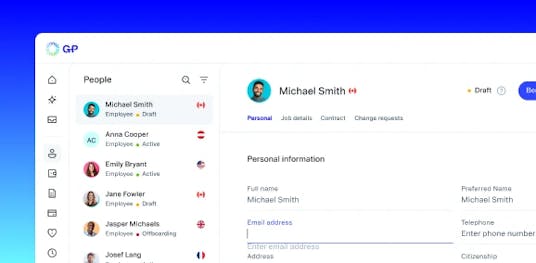
Die Gründung einer Tochtergesellschaft in den VAE kann Wochen oder Monate dauern. Verwenden Sie G-P EOR , um Vollzeitmitarbeiter in den VAE einzustellen, ohne Ihre eigene Einheit einzurichten. Bauen Sie Ihr Team zu geringeren Kosten und mit der Gewissheit auf, dass Sie dies konform tun.
Die Schritte zur Einstellung von Mitarbeitern in den VAE
Der Einstellungsprozess in den VAE ähnelt dem, mit dem Sie wahrscheinlich in Ihrem eigenen Land vertraut sind. Der Einstellungsprozess folgt fünf grundlegenden Schritten: Bewerbung der Stelle, Bewertung von Bewerbungen, Vorstellungsgespräche mit Bewerbern, Versendung von Stellenangeboten und Onboarding neuer Mitarbeiter.
1. Stellenangebote in den VAE bewerben
Bereiten Sie eine klare, nicht diskriminierende Stellenanzeige vor. Stellen Sie sicher, dass sie die Stellenbezeichnung, Beschreibung, den Standort und die erforderlichen Qualifikationen enthält. Achten Sie darauf, die Emiratisierungsanforderungen zu befolgen.
2. Bewertung von Stellenbewerbungen in den VAE
Sammeln und überprüfen Sie Bewerbungen. Alle Auswahlkriterien sollten arbeitsbezogen und nicht diskriminierend sein. Führen Sie Kandidaten auf der Grundlage ihrer Qualifikationen und Erfahrungen in die engere Wahl, die für die Rolle relevant sind.
3. Vorstellungsgespräche mit Kandidaten in den VAE
Konzentrieren Sie Ihre Interviews auf berufsbezogene Kompetenzen. Vermeiden Sie Fragen zu geschützten Merkmalen wie Rasse, Religion, Geschlecht und Familienstand usw. Führen Sie Aufzeichnungen über Ihre Interviews und Einstellungsentscheidungen. Holen Sie eine dokumentierte Einwilligung ein, bevor Sie Hintergrundprüfungen durchführen. Stellen Sie sicher, dass die gesamte Datenverarbeitung den Datenschutzgesetzen der VAE entspricht.
4. Stellenangebote in den VAE machen
Entwerfen Sie ein formelles Angebotsschreiben in Übereinstimmung mit MOHRE. Bereiten Sie bei Annahme einen befristeten Arbeitsvertrag für maximal drei Jahre vor. Registrieren Sie den Vertrag bei MOHRE oder der zuständigen Freizonenbehörde.
5. Onboarding neuer Mitarbeiter in den VAE
Jetzt können Sie neue Mitarbeiter an Bord nehmen. Registrieren Sie Ihren Mitarbeiter beim WPS für Gehaltszahlungen. Bieten Sie eine Krankenversicherung an. Für Staatsangehörige der VAE melden Sie sich bei der Rentenbehörde an und leisten Sie die erforderlichen Beiträge. Bewahren Sie die Mitarbeiterunterlagen wie gesetzlich vorgeschrieben auf.
Wenn Sie mit einer EOR wie G-P arbeiten, müssen Sie sich keine Sorgen um den Verwaltungsaufwand des Onboardings machen. Wir rationalisieren den Prozess, damit Sie sich auf die Schulung Ihres neuen Mitarbeiters und die Integration in Ihre Unternehmenskultur konzentrieren können.
Einstellung von Auftragnehmern in den VAE
Die Zusammenarbeit mit unabhängigen Auftragnehmern in den VAE kann eine kostengünstige Möglichkeit sein, den Markt zu testen und eine Präsenz aufzubauen, ohne dass Vollzeitmitarbeiter verpflichtet sind. Auftragnehmer mit Sitz in den VAE verstehen das Verhalten, die Regeln und die Geschäftspraktiken lokaler Verbraucher. Sie sind bereit, schnell mit ihren eigenen Geräten und etablierten Arbeitsprozessen zu arbeiten.
Die Einstellung von Auftragnehmern ermöglicht es dir, deinen Talentpool ganz einfach an deine Geschäftsanforderungen anzupassen, ohne die Komplexität und Kosten der Beschäftigung.
Bevor Sie eine Vereinbarung mit einem unabhängigen Auftragnehmer in den VAE abschließen, sollten Sie Folgendes berücksichtigen:
1. Mitarbeiter vs. unabhängige Auftragnehmer in den VAE
Es ist wichtig, den Unterschied zwischen Mitarbeitern und unabhängigen Auftragnehmern zu verstehen. In den VAE arbeiten Mitarbeiter im Rahmen eines bei MOHRE registrierten Arbeitsvertrags, stehen unter der Aufsicht des Arbeitgebers und erhalten gesetzliche Leistungen wie bezahlten Urlaub, Trinkgelder zum Dienstende und Krankenversicherung.
Unabhängige Auftragnehmer erbringen Dienstleistungen im Rahmen eines zivilrechtlichen Dienstleistungsvertrags. Auftragnehmer legen ihre eigenen Zeitpläne fest, verwenden ihre eigenen Geräte und werden pro Projekt oder Meilenstein bezahlt.
2. Strafen für Fehlklassifizierung in den VAE
Wenn jemand als Auftragnehmer eingestuft wird, wenn er dies nicht tut, kann dies zu schweren Strafen führen. Wenn eine Fehlklassifizierung auftritt, müssen Sie:
-
Löhne, Sozialleistungen (wie z. B. Trinkgelder am Ende der Dienstzeit) und unbezahlte Sozialversicherungsbeiträge zurückzahlen.
-
Visa-Stornierungen, Einstellungsverbote und zusätzliche Bußgelder.
-
Mögliche Aussetzung oder Aufhebung der Geschäftslizenz des Unternehmens.
3. So zahlen Sie Auftragnehmer in den VAE
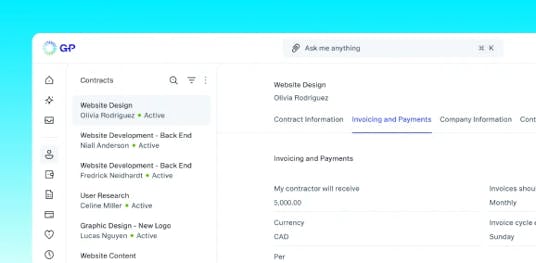
G-P Contractor™ beseitigt den unübersichtlichen, zeitaufwändigen Prozess der Einstellung und Bezahlung internationaler Auftragnehmer. Sie können mit nur wenigen Klicks Verträge erstellen und ausstellen und Auftragnehmer bezahlen, während Sie gleichzeitig einen konformen Prozess sicherstellen.
Einstellung von Mitarbeitern und Auftragnehmern in den VAE mit G-P
Unsere SaaS- und KI-gestützten Produkte – EOR, Contractor und Gia – unterstützen Unternehmen beim Aufbau und der Verwaltung globaler Teams.
G-P ist mit mehr als einem Jahrzehnt Erfahrung der anerkannte Marktführer in der globalen Beschäftigung, das größte Team von HR-, Rechts- und Compliance-Experten und eine globale proprietäre Wissensbasis.
Erleichtern Sie Ihre Expansion in die VAE mit G-P. Kontaktieren Sie uns oder buchen Sie noch heute eine Demo.