










Das H-1B-Visum wurde von US-amerikanischen Arbeitgebern verwendet, die spezialisierte, technische Talente in Bereichen wie Gesundheitswesen, Technologie und Finanzen einstellen möchten. Doch die jüngste Regierungspolitik hat die Finanzlandschaft für Unternehmen verändert, die sich auf das Programm verlassen.
Wenn Ihr Unternehmen sich Sorgen über die neue H-1B-Gebühr macht, besteht die Möglichkeit, das Visaproblem in Höhe von 100k USD in eine globale Talentchance zu verwandeln.
Verständnis der Erhöhung der H-1B-Gebühr um 2025
Im Jahr führte eine September 19, 2025Präsidialproklamation zu einer drastischen Erhöhung der Kosten für neue H-1B-Visa.
Zuvor lagen die Kosten für H-1B-Visa bei 2,000–10.000 USD. Aber nach den neuen Regeln ist die Gebühr für einen neuen Antrag auf 100,000 USD gestiegen. Bei dieser Gebühr handelt es sich um eine einmalige, nicht erstattungsfähige Zahlung, die für den bevorstehenden 2026 -Lotteriezyklus und alle neuen Anträge, die nach eingereicht werden, giltSeptember 21, 2025.
Wer ist am stärksten von der Erhöhung der Kosten für das H-1B-Visum betroffen?
Für viele schränkt der Kostenanstieg ihre Fähigkeit ein, neue H-1B-Talente einzustellen. Dies ist eine große Hürde für kleinere Organisationen, die wahrscheinlich keine juristischen Personen in anderen Ländern haben.
Herausforderungen bei der Sicherung von H-1B-Visa
Mit H-1B-Visa können US-Arbeitgeber vorübergehend qualifizierte internationale Arbeitnehmer in „Fachberufen“ einstellen, die ein hohes Maß an Fachwissen erfordern. Selbst wenn die Antragsgebühren niedriger waren, war der Prozess kompliziert und zeitaufwändig – ohne garantierten Erfolg.
Zusätzlich zur Gebühr von 100,000 USD stehen Unternehmen vor Herausforderungen mit H-1B-Visa wie:
-
Arbeitgeber sind gesetzlich verpflichtet, die Visagebühren zu zahlen. Wenn USCIS feststellt, dass der Mitarbeiter sie bezahlt hat, kann das Visum verweigert werden.
-
Die Ablehnungen für die Erstbeschäftigung sind in den letzten Jahren gestiegen. Die Genehmigung ist nicht garantiert, da das H-1B-Visum auf Lotterie basiert.
-
Jährlich werden nur etwa 85,000 neue Visa genehmigt. Es gibt eine jährliche Obergrenze von 65,000 regulären Visa und weitere 20,000 für Personen mit einem höheren US-Abschluss. Anträge übersteigen in der Regel die Anzahl der verfügbaren Visa und erfordern eine zufällige Lotterieauswahl.
Angesichts der steigenden Kosten und der Unsicherheit der sich ändernden Vorschriften suchen viele Unternehmen nach Alternativen für H-1B-Visa, um kritische Qualifikationslücken zu schließen.
Zusätzliche Überprüfungsanforderungen für H-1B-Visa
Ein zweites wichtiges Update ist die Neugestaltung der Einstellungslandschaft. Ab treten neue Bundesregeln in Kraft und führen zusätzliche Compliance-Anforderungen für Unternehmen ein Dezember 15, 2025, die sich auf H-1B-Visa verlassen, um qualifizierte internationale Arbeitnehmer einzustellen.
Die Gebührenerhöhung dominierte zunächst die Schlagzeilen zu H-1B-Visa. Die zweite Runde regulatorischer Aktualisierungen ist es, aufgrund neuer Praktiken zur Überprüfung von Visa in sozialen Medien Wellen zu schlagen.
Neue H-1B-Visumverifizierungsstandards
Die neue Richtlinie führt höhere Verifizierungsstandards ein. Die Regeln verlagern mehr Verantwortung auf Arbeitgeber. Arbeitgeber müssen zusätzliche Dokumente einreichen, um die Notwendigkeit eines H-1B-Mitarbeiters nachzuweisen, einschließlich:
-
Eine detaillierte Aufschlüsselung der Arbeitsaufgaben, die an spezifische Geschäftsanforderungen gebunden sind
-
Nachweis der jüngsten inländischen Rekrutierungsbemühungen für dieselbe Rolle
-
Eine Begründung, die zeigt, dass kein verfügbarer US-Mitarbeiter die Mindestqualifikationen erfüllt
-
Eine Bestätigung des Arbeitsplatzes, die den primären Arbeitsort und die Berichtsstruktur verifiziert
Diese Anforderungen gelten sowohl für neue Anträge als auch für bestimmte Änderungen, die nach dem 15. Dezember 2025 eingereicht wurden. Die Richtlinie verkürzt auch das Meldefenster für wesentliche Änderungen. Sie haben jetzt 10 Werktage Zeit, um Aktualisierungen zu Gehalt, Stellenbezeichnung, Arbeitsort oder alltäglichen Aufgaben zu melden. Das Versäumen von Fristen kann die Bearbeitung verzögern oder zur Ablehnung des Antrags führen.
Eine weitere Schicht beinhaltet Compliance-Inspektionen. Das Arbeitsministerium wird ab Anfang 2026 häufigere zufällige Arbeitsplatzaudits starten. Diese Inspektionen werden die Gehaltsstufen, die physischen Arbeitsorte und die Arbeitsverantwortlichkeiten überprüfen.
Social-Media-Überprüfung für H-1B-Bewerber
Die US-Regierung untersucht auch die Online-Präsenz von H-1B-Visa und H-4 Visa-Antragstellern, insbesondere in sozialen Medien. Beamte bitten alle, die diese Visa beantragen, ihre digitalen Konten auf „öffentlich“ zu setzen, was bedeutet, dass jeder sehen kann, was er gepostet hat. Die Bewertung von Social-Media-Aktivitäten ist eine neue Komponente der Hintergrundüberprüfungen für Visa-Bewerber. Dieser Prozess hilft der Regierung, Personen zu überprüfen, die eine Bedrohung für die öffentliche Sicherheit oder die nationale Sicherheit darstellen können.
Wie sich die Änderung der H-1B-Visaregel auf die Einstellungspläne auswirkt
Updates machen einen bereits komplexen Visa-Prozess noch komplizierter, insbesondere für Unternehmen mit kleineren Teams oder der Verwaltung mehrerer internationaler Kandidaten. Die zusätzlichen Unterlagen, Dokumentationsüberprüfungen und Besuche vor Ort erfordern mehr interne Koordination und rechtliche Unterstützung.
Diese zusätzlichen Maßnahmen können die Einstellungszeitpläne verlangsamen oder die Anzahl der Kandidaten, die Sie sponsern können, in einem einzigen Zyklus reduzieren. Auch die Budgetplanung wird betroffen sein, insbesondere für kleine Unternehmen, die ohne ein dediziertes Compliance-Team arbeiten.
Die Kombination aus der neuen Visagebühr, strengeren Nachweisanforderungen und schnelleren Meldefristen wird schwer in großem Umfang zu bewältigen sein.
Was Sie erwartet
Dieses Update stellt vor:
-
Umfangreichere Buchführung in HR-, Gehaltsabrechnungs- und Managementteams
-
Größere Überprüfung von Fernarbeit und hybriden Arbeitsvereinbarungen
-
Anfragen nach zusätzlichen Nachweisen aufgrund fehlender oder unvollständiger Dokumentation
-
Verlängerte Zeit zwischen der anfänglichen Planung und dem endgültigen Onboarding für H-1B-Mitarbeiter
Mit der neuen Richtlinie benötigt die 2026 -Saison mehr Vorbereitung, Dokumentation und Budgetplanung als in den Vorjahren. Für viele Unternehmen stellt dies eine wichtige Frage dar. Ist das H-1B-Visum die praktischste Möglichkeit, spezialisierte Talente einzustellen?
Employer of Record (EOR) als Alternative zum H-1B-Visum
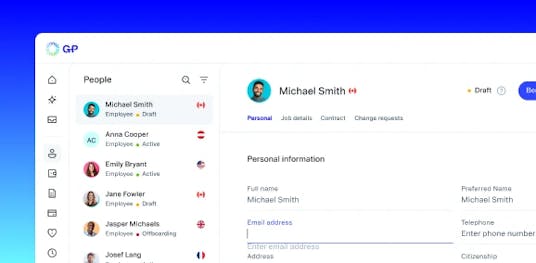
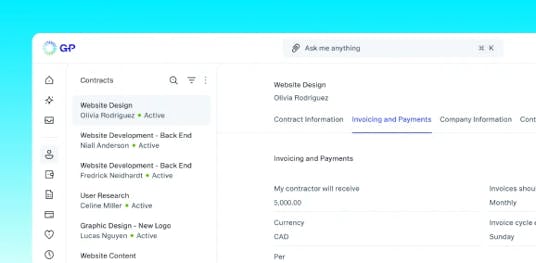
Die Einstellung globaler Mitarbeiter mit einem EOR-ähnlichen Programm G-P ist eine der effektivsten Alternativen zum H-1B-Visumprogramm. G-P Mit EOR kannst du Talente in mehr als 180 Ländern integrieren, verwalten und bezahlen – keine juristische Person (oder kein Visum) erforderlich.
So löst die Partnerschaft mit einem EOR die neuen H-1b -Herausforderungen.
Eliminieren Sie Visakosten und Unsicherheit
Das EOR-Modell versetzt Unternehmen frei von sich ändernden Vorschriften, die Einstellungspläne behindern. G-P EOR bietet 100 % Sicherheit.
-
Überbrücken Sie die Gebühr von 100,000 USD: Sie können einen neuen Mitarbeiter innerhalb von Tagen an Bord nehmen, ohne dass Sie Anmeldegebühren oder Einwanderungsexperten benötigen. Das H-1B-Visumverfahren hat eine Vorab-Regierungsgebühr von 100,000 USD, während das EOR-Modell eine Vorab-Regierungsgebühr von 0 USD hat – nur eine monatliche Plattformgebühr.
-
Vertiefen Sie den Talentpool: Mit einer EOR können Sie dort einstellen, wo Top-Talente leben. Anstatt Ihre Suche auf die USA zu beschränken, können Sie Ihre Rekrutierung auf mehr als 180 Länder ausweiten.
-
Einfache Einstellung: Überbrücken Sie die typische Zeit, Kosten und Risiken, die mit der Einrichtung der Einheit verbunden sind. Die Zeit bis zum Einsteigen mit einem EOR beträgt Tage im Vergleich zu 6-12 Monaten für ein H-1B-Visum.
Kosten senken und Ihr Budget planen
Ein EOR kann Ihnen nicht nur dabei helfen, bei H-1B-Visagebühren zu sparen. Wenn Mitarbeiter in ihren Heimatländern bleiben, müssen ihre Gehälter nicht mit dem US-Markt übereinstimmen, und diese Einsparungen können in Ihr Unternehmen reinvestiert werden. Ein EOR bietet eine kostengünstige Strategie, die Unternehmen dabei unterstützt, spezialisierte Talente zu einem erschwinglicheren Preis zu sichern.
Compliance sicherstellen und Risiken managen
Die Einhaltung der lokalen Arbeitsgesetze ist bei der weltweiten Einstellung von entscheidender Bedeutung. Ein EOR hilft Ihnen beim Risikomanagement, indem es internationalen Mitarbeitern wettbewerbsfähige lokale Leistungspakete anbietet. EORs beschäftigen internationale Talente in Ihrem Namen und übernehmen alle Beschäftigungsaufgaben wie Verträge, Gehaltsabrechnung, Sozialleistungen, Compliance und Steuererklärungen.
Zugriff auf globale Talente (ohne Visagebühr)
Der September 2025 Anstieg der Kosten für H-1B-Visa – in Verbindung mit einem komplexen Prozess und begrenzten verfügbaren Visa – bedeutet, dass Unternehmen nach einer besseren Möglichkeit suchen müssen, spezialisierte Talente einzustellen. G-P EOR ist nicht nur ein strategischer Weg nach vorne, sondern einer der kostengünstigsten.
Greifen Sie auf hochqualifizierte globale Experten zu, ohne die erhöhten Kosten und die Unsicherheit des H-1B-Visaprogramms bewältigen zu müssen.