






Principais conclusões
-
IA para RH: a IA lida com o trabalho pesado do RH. Ele pode criar caminhos personalizados de aprendizagem e desenvolvimento (L&D), trazer objetividade para a gestão de desempenho e oferecer suporte aos funcionários 24 horas por dia, 7 dias por semana, por meio de chatbots.
-
O elemento humano: o julgamento humano é a única maneira de evitar preconceitos e construir uma conexão genuína com os funcionários. Uma abordagem humana no circuito para IA ajuda as equipes de RH a gerenciar riscos, melhorando a tomada de decisões.
-
Conformidade global: nem todas as ferramentas de IA são criadas igualmente. A IA geral (como ChatGPT) não é confiável para a lei trabalhista internacional. As equipes de RH precisam de IA especializada construída com base em dados verificados e proprietários para obter respostas precisas de conformidade.
-
O primeiro passo da adoção da IA: comece pequeno, mas sempre use a experiência humana para revisar e validar o resultado da IA.
Para obter mais informações, assista ao webinar: "IA, estratégia de RH e a força de trabalho global em evolução"
Se você é um profissional de RH ou líder de negócios que gerencia uma força de trabalho global, sabe que acompanhar a conformidade é um trabalho em tempo integral. Hoje, a conversa não se trata apenas de encontrar maneiras de marcar todas as caixas legais; trata-se de fazer escolhas de tecnologia inteligentes.
A IA está transformando o RH ao tornar as tarefas diárias mais fáceis e rápidas. A simplificação e a velocidade ajudam as equipes de RH a se adaptarem rapidamente às mudanças nos ambientes e regulamentos. Mas não se preocupe em ser o adotante mais rápido — o objetivo é simplesmente acompanhar.
Connie Diaz, diretora sênior de RH da G-P, e Annie Diiorio, gerente de RH da Canidium, são especialistas em apresentar a IA às forças de trabalho em movimento. Eles passaram vários anos ajudando suas equipes a superar o "medo da IA" para implementar ferramentas que reduzem as tarefas e colocam o ser humano de volta nos recursos humanos. A partir dessa experiência, eles descobriram o código para integração de IA.
Comece aqui: o "continuum de adoção de IA"
Para muitos líderes de RH, começar a usar IA é esmagador. Annie observa que a adoção segue um continuum: “Começa com indiferença e, em seguida, passa a medo e, em seguida, constrangimento, confiança e transformação”.
O truque para evitar ficar para trás é simples: basta experimentar as ferramentas – de qualquer forma que seja apropriada para você e sua equipe. Depois de começar, você percebe como é fácil e isso rapidamente gera confiança.
“Acho que as pessoas estão preocupadas com a IA assumindo seu trabalho, e com o que devemos estar mais preocupados é alguém que sabe como usar a IA assumindo o trabalho.” - Annie Diiorio, gerente de RH, Canidium
Etapa 1: Encontre seus drenos de tempo de RH
A IA pode ser incorporada a todos os aspectos do RH. Ela atua como um "colega de trabalho" para tornar as operações mais tranquilas, personalizar as experiências dos funcionários e descobrir novas percepções. A IA não está substituindo os profissionais de RH – está ampliando suas habilidades, automatizando tarefas de alto volume e liberando-os para se concentrar na estratégia, cultura e interação humana real.
|
Função de RH |
Como a IA ajuda |
|
Recrutamento e contratação globais |
Torna o funil de talentos mais fácil de gerenciar: faz a triagem de currículos, gera descrições de cargos e perguntas de entrevista e automatiza o processo de agendamento. Para um pequeno departamento, Annie diz que a IA "pode ser como um colega de trabalho e uma caixa de ressonância para executar as coisas". |
|
Integração global |
Orienta novos contratados: pode levar os novos funcionários à papelada, agendar treinamentos e responder a perguntas comuns por meio de chatbots. Por exemplo, Annie carregou todos os recursos de inscrição abertos em uma ferramenta e os compartilhou com os funcionários, permitindo que eles fizessem perguntas específicas para os EUA, como: "Quais planos têm uma HSA (Health Savings Account)?" Uma grande economia de tempo para Annie e sua equipe. |
|
Aprendizagem e desenvolvimento (L&D) |
Muda o L&D de tamanho único para personalizado: ele destaca as necessidades de aprendizagem individuais e recomenda cursos relevantes. |
|
Gestão de desempenho |
Traz objetividade orientada por dados para a mesa: analisa dados para criar relatórios abrangentes para avaliações e pode até mesmo ajudar os funcionários a gerar autoavaliações ponderadas. |
|
Análise de dados e percepções |
Mastiga grandes conjuntos de dados: ele pode identificar tendências de desempenho, remuneração e rotatividade que, de outra forma, seriam invisíveis. |
|
Suporte ao funcionário |
Oferece suporte 24 horas por dia, 7 dias por semana aos funcionários: os chatbots com tecnologia de IA agora são ferramentas de linha de frente que respondem instantaneamente a perguntas comuns dos funcionários sobre folha de pagamento, benefícios ou políticas. Isso libera a equipe de RH para se concentrar em estratégias com maior impacto. |
Etapa 2: Adote uma abordagem "humana no circuito"
Para adotar a IA, você precisa primeiro reconhecer suas limitações. A maneira de lidar com os riscos – como viés, privacidade ou "alucinações" – é com a supervisão humana.
Connie compartilhou um exemplo real de uso de uma ferramenta de IA para calcular as pontuações de satisfação de novos contratados:
"Baixei os dados brutos do Workday e os joguei no Gemini. Disse 38%. Eu estava tipo, não. Isso não faz sentido. Você precisava que o ser humano realmente conhecesse o contexto para poder dizer que isso não parece certo.”
Além da precisão, a IA não pode substituir a conexão. Annie compartilhou uma história sobre um parente mais jovem que começou a usar IA generativa como “amigo”, apenas para perceber suas limitações quando não se lembrava de suas interações.
"Nada substitui a conexão humana. IA significa inteligência artificial. Não tem sentimentos. Não se importa com você." - Annie Diiorio, gerente de RH, Canidium
Hoje, a IA é uma ferramenta que libera o tempo do RH para criar uma conexão genuína, não um substituto para ela.
A diferença de G-P e por que o RH global precisa de IA verificada
Os riscos são altos para os líderes de RH que gerenciam funcionários em todo o mundo.
Uma "alucinação" de IA não é apenas um erro, é um risco de conformidade. As ferramentas gerais de IA são extraídas diretamente da internet, cheia de informações conflitantes, desatualizadas e incorretas.
É aqui que uma IA avaliada por especialistas se torna cada vez mais importante.
"Eu nunca mais fico no Google sobre a lei trabalhista internacional porque há tanta coisa por aí, e não sei em que confiar", explica Annie. “Portanto, é muito útil usar o G-P Gia™ como fonte de IA para perguntas internacionais.”
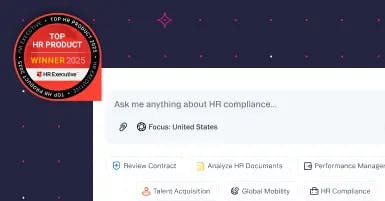
E é por isso que a G-P construiu a Gia. Diferentemente da IA de uso geral, a Gia é construída em uma base de conhecimento proprietária para fornecer orientação sobre leis trabalhistas em que você pode confiar. Ele oferece respostas verificadas e cita suas fontes, dando aos líderes de RH a confiança de que precisam para tomar decisões de alto risco.
Mas o que é verificação sem velocidade para corresponder? Com Gia, você não precisa esperar por respostas. Nossa IA agenteica foi projetada para economizar horas de trabalho dos profissionais de RH.
O verdadeiro poder da IA verificada está transformando a pesquisa de conformidade de alto risco em uma tarefa de dois minutos.
Etapa 3: "Experimente, mas leia"
Os líderes de RH que se movem em direção a um local de trabalho com IA devem ter um objetivo: usar o julgamento quando se trata do resultado.
As ferramentas de IA são fáceis de construir e usar, ajudando você a passar rapidamente de "medo" para "confiança". A estratégia vencedora para adoção e integração? Basta mergulhar.
“Qualquer pessoa que não tenha experimentado a IA, apenas experimente e você verá o quanto ela pode fazer por você.” - Annie Diiorio, gerente de RH da Canidium
O processo é simples, mas Annie também alerta sobre a importância do toque humano para qualquer usuário de IA. Por exemplo, muitos candidatos a emprego usam IA para personalizar currículos de acordo com as descrições de cargos. Embora seja uma prática aceitável, os candidatos nem sempre analisam o resultado e deixam avisos de IA como "[insira suas habilidades aqui]" no documento final.
“Acho que é [IA] uma ferramenta incrivelmente útil. Mas se [candidatos não estiverem] indo revisá-lo, isso simplesmente me deixa fora da janela porque isso mostra falta de atenção aos detalhes."
O RH de amanhã precisa de julgamento humano, conscientização contextual e experiência em conformidade. A IA é a ferramenta que ajuda os profissionais de RH a cumprir essa promessa.
Veja Gia em ação
Saiba como nossa IA agenteica para conformidade global oferece respostas verificadas para suas perguntas mais difíceis de RH em 50 países e em todos os 50 estados dos EUA.